
The Ultimate Guide to Permanent Makeup Touch-Ups
- Lynn Accongio Soles

- Dec 22, 2025
- 4 min read
Updated: Jan 6
Understanding Makeup Touch-Up Timing: Why It Matters
Permanent makeup is designed to last, but it is not truly permanent in the sense of never needing maintenance. Over time, pigments can fade due to factors like sun exposure, skin type, and lifestyle habits. Touch-ups help restore color intensity, sharpen lines, and correct any uneven fading.
Key reasons to consider makeup touch-up timing include:
Pigment fading: Natural skin exfoliation and UV exposure cause gradual fading.
Color adjustment: You might want to darken or soften the original color.
Shape refinement: Brows or eyeliner shapes may need slight tweaks as trends or personal preferences change.
Healing variations: Some areas may heal lighter or patchier, requiring correction.
Typically, the first touch-up is recommended 4 to 8 weeks after the initial procedure. This allows the skin to heal fully and the pigment to settle. After that, annual or biannual touch-ups help maintain vibrancy.
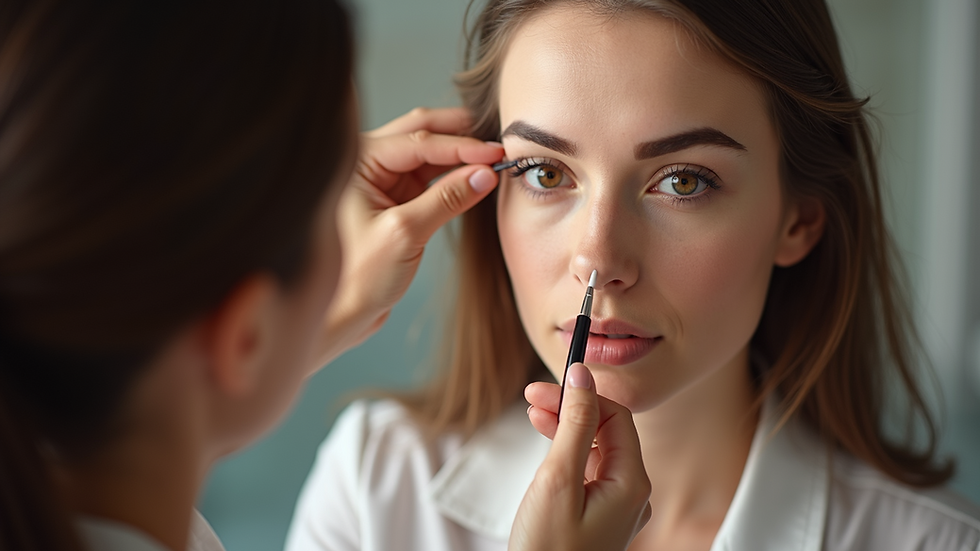
Factors Influencing Your Makeup Touch-Up Timing
Several factors affect how long your permanent makeup lasts and when you should schedule a touch-up. Understanding these can help you plan better and avoid premature fading or overdoing the procedure.
Skin Type and Texture
Oily skin: Tends to fade faster because excess oil can break down pigment.
Dry skin: Usually retains pigment longer but may require more hydration for healing.
Sensitive skin: May experience more scabbing or uneven healing, affecting pigment retention.
Lifestyle and Environment
Sun exposure: UV rays accelerate fading. Using sunscreen on treated areas can prolong results.
Skincare products: Exfoliants, retinoids, and acids can lighten pigment.
Swimming and sweating: Chlorine and saltwater, as well as heavy sweating, can cause faster fading.
Initial Procedure Quality
The skill of the technician and the quality of pigments used play a significant role in longevity.
Proper aftercare following the initial session is crucial for optimal pigment retention.
Personal Preferences
Some prefer a bolder look and may want more frequent touch-ups.
Others like a softer, more natural appearance and may space out sessions longer.
How to Fill in Gaps in Brows?
One of the most common reasons for a touch-up is to fill in gaps that appear as pigment fades or heals unevenly. Here’s how professionals approach this:
Assessment: The technician examines the brows to identify areas where pigment has faded or where the shape needs enhancement.
Color matching: A pigment shade close to the original is selected to maintain a natural look.
Microblading or shading: Using fine strokes or shading techniques, the technician fills in sparse areas to create fuller, more defined brows.
Blending: The new pigment is blended seamlessly with existing color to avoid harsh lines.
Aftercare advice: Proper care is given to ensure the pigment sets well and heals evenly.
For those with very sparse or patchy brows, touch-ups can dramatically improve the overall appearance and boost confidence.

Signs It’s Time for Your Next Touch-Up
Knowing when to schedule your next session can be tricky. Here are some clear signs that your permanent makeup needs refreshing:
Color looks dull or faded: If your brows, lips, or eyeliner appear washed out, it’s time.
Uneven pigment: Patchy or blotchy areas indicate pigment loss.
Shape changes: If your makeup no longer complements your face or looks asymmetrical.
Seasonal changes: After summer or heavy sun exposure, pigment may fade faster.
Personal desire: If you want to update the style or color, a touch-up is the perfect opportunity.
Regular check-ins with your technician can help you stay on top of your makeup’s condition and plan touch-ups accordingly.
Tips for Prolonging Your Permanent Makeup Results
To maximize the time between touch-ups and keep your permanent makeup looking fresh, follow these practical tips:
Avoid excessive sun exposure: Use SPF on treated areas daily.
Follow aftercare instructions: Keep the area clean and moisturized during healing.
Avoid harsh skincare products: Steer clear of exfoliants and acids near the treated area.
Limit swimming and sauna visits: Especially during the initial healing phase.
Schedule regular maintenance: Don’t wait until your makeup looks faded to book a touch-up.
By taking good care of your permanent makeup, you can enjoy a beautiful, low-maintenance look for longer.
Permanent cosmetics are designed to make your life easier by reducing daily makeup routines. Whether you have permanent brows, eyeliner, lips, or other enhancements, knowing the right timing for a permanent makeup touch up ensures your look stays flawless and vibrant.
Scheduling your touch-ups at the right intervals and following proper care will keep you looking effortlessly polished every day. Embrace the convenience and confidence that permanent makeup offers by staying informed and proactive about your makeup touch-up timing.
Conclusion
In conclusion, understanding the timing and factors influencing your permanent makeup touch-ups is crucial for maintaining a radiant appearance. By following the guidelines provided in this article, you can ensure that your permanent makeup remains vibrant and fresh. Remember, the key to enjoying the benefits of permanent cosmetics lies in regular maintenance and proper care. So, take charge of your beauty routine and enjoy the ease that permanent makeup brings to your life.


Comments